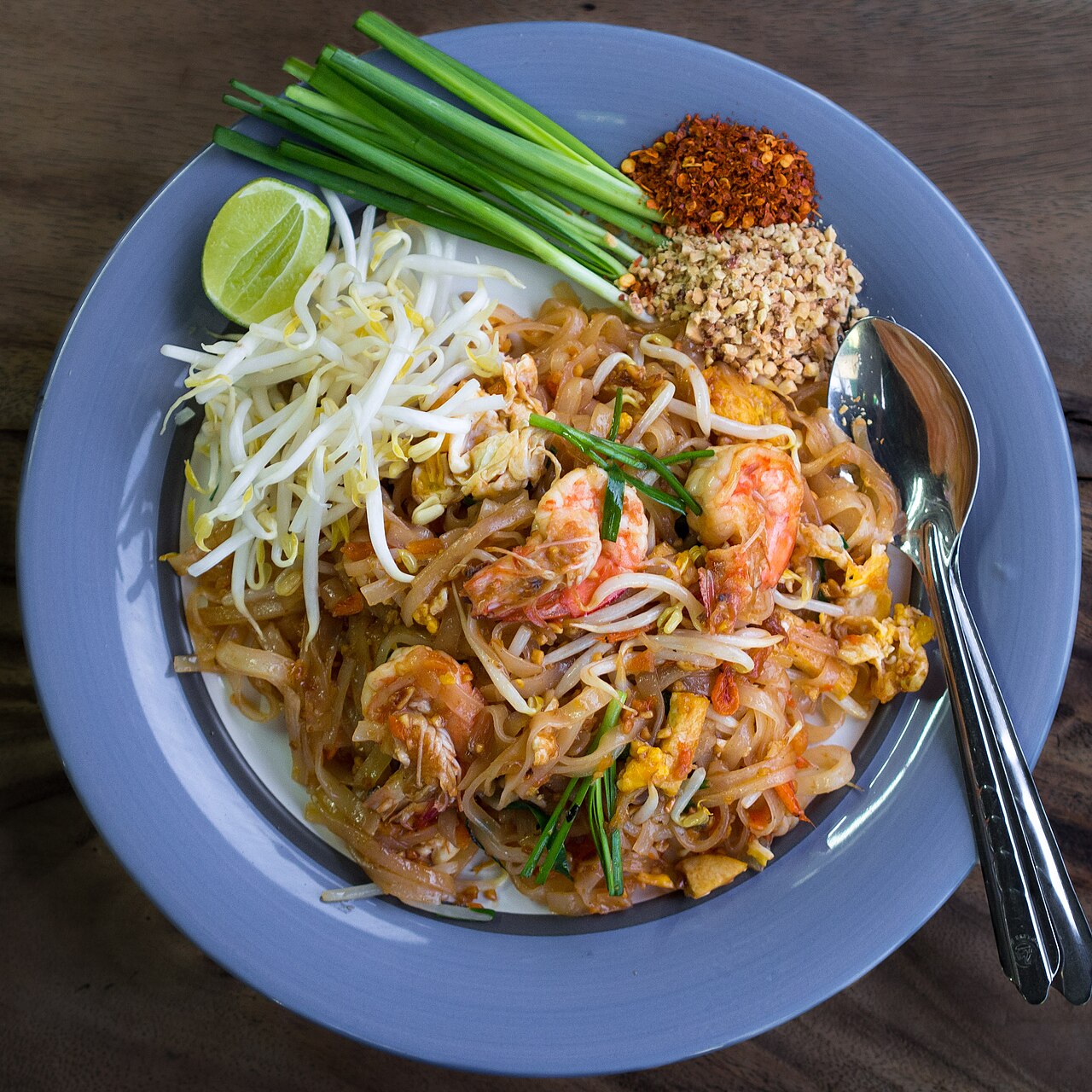
Unlock the Iconic Flavors of Chicken & Tofu Pad Thai
There are very few dishes that can ignite the senses quite like a perfectly crafted plate of Pad Thai. More than just a meal, it's an experience – a vibrant symphony of sweet, sour, salty, and umami notes that dance on your palate, creating an unforgettable culinary journey. While often associated with bustling street food stalls in Thailand, the magic of authentic pad thai with chicken tofu is surprisingly accessible right in your own kitchen. This comprehensive guide will not only help you recreate this beloved classic but also empower you to master its nuanced flavors and textures, making it a staple for weeknight dinners and special occasions alike.
Imagine tender, juicy chicken mingling with delightfully soft and porous tofu, all intertwined with chewy rice noodles. Each strand is coated in that signature glossy sauce – a masterful blend of tangy tamarind, savory fish and oyster sauces, and just the right touch of sweetness. Add a burst of freshness from crunchy bean sprouts, a nutty counterpoint from toasted peanuts, and a squeeze of fresh lime, and you've got a dish that transcends mere sustenance. It's comfort food with an exotic twist, and it promises to satisfy every craving.
The Allure of Pad Thai: A Symphony of Flavors and Textures
What makes Pad Thai so incredibly addictive? It's the meticulous balance, the way each component plays a vital role in creating a harmonious whole. This isn't just about throwing ingredients into a pan; it's about understanding the interplay that defines this iconic dish.
- Sweetness: Often derived from brown sugar or palm sugar, this element balances the tartness and saltiness, providing a comforting roundedness to the dish.
- Sourness: The unmistakable tang of tamarind paste is the soul of Pad Thai. It's a fruity, complex sourness that sets it apart from other noodle dishes, offering a brighter, more exotic profile than simple lime or vinegar.
- Saltiness & Umami: Fish sauce and oyster sauce are non-negotiable. Fish sauce provides a deep, savory brininess, while oyster sauce adds a thicker, slightly sweet umami richness and that characteristic glossy finish to the noodles. Together, they create a depth that is profoundly satisfying.
- Texture: Beyond flavor, texture is paramount. The elasticity of properly cooked rice noodles, the succulence of the chicken, the soft yet substantial bite of the tofu, and the crisp, refreshing snap of bean sprouts and green onions – all combine to ensure every forkful is an adventure. The addition of crushed peanuts brings a delightful crunch and a roasted aroma that ties everything together.
This intricate balance is what elevates authentic pad thai with chicken and tofu from a simple noodle dish to a culinary masterpiece cherished worldwide. It's a testament to how simple, quality ingredients, expertly combined, can create something truly unforgettable.
Unpacking the Essential Ingredients for Authentic Pad Thai
Creating a stellar Pad Thai begins with understanding its core components. While the list might seem long, each ingredient serves a crucial purpose in building the dish's signature flavor profile and texture.
The Foundation: Rice Noodles
Choosing the right noodles is key. You'll want flat, dried rice noodles, typically about ¼ inch wide. They need to be soaked, not boiled, until pliable but still firm. Over-soaking will lead to mushy noodles, while under-soaking will leave them tough. The perfect noodle has a chewy resilience that carries the sauce beautifully.
The Heart of the Sauce: Tamarind, Fish Sauce, and Oyster Sauce
- Tamarind Paste/Concentrate: This is the defining sour element. Opt for seedless tamarind paste or a good quality concentrate. It offers a unique fruity sourness that no other ingredient can replicate.
- Fish Sauce: Crucial for saltiness and umami. Don't skip it, even if you're wary of the initial aroma – it transforms beautifully during cooking.
- Oyster Sauce: Contributes a savory, slightly sweet depth and helps create that wonderful sheen on the noodles.
- Sweetener: Palm sugar is traditional, but brown sugar works perfectly well to provide the necessary sweetness.
The Proteins: Chicken & Tofu – A Perfect Pairing
The combination of chicken and tofu is a hallmark of many delicious Pad Thai variations, offering a delightful contrast in texture and flavor absorption. This pairing truly enhances the experience of pad thai with chicken tofu.
- Chicken: Boneless, skinless chicken breast or thigh, thinly sliced or cut into bite-sized pieces, cooks quickly and absorbs the flavors of the sauce. It provides a tender, juicy chew.
- Tofu: Firm or extra-firm tofu is ideal. Pressing the tofu thoroughly before cooking is essential to remove excess water, allowing it to absorb more of the sauce's flavor and achieve a firmer, more appealing texture when stir-fried. Pan-frying or shallow-frying the tofu until golden brown before adding it to the wok adds a lovely crisp exterior.
The Freshness and Crunch: Bean Sprouts, Peanuts & Garnishes
- Bean Sprouts: Added at the very end, these provide a refreshing crunch and slight sweetness.
- Peanuts: Roasted and crushed peanuts are a mandatory garnish, adding a nutty flavor and satisfying crunch.
- Aromatics: Garlic and shallots form the aromatic base, while fresh chives or green onions offer a mild oniony bite.
- Garnishes: Fresh lime wedges for an extra burst of acidity, and optional chili flakes or fresh chilies for heat, complete the dish.
Mastering the Stir-Fry Technique for Perfect Pad Thai
Pad Thai is a stir-fry, meaning speed and heat are your allies. A wok is ideal for even heat distribution and easy tossing, but a large, heavy-bottomed skillet will also work. The key is to work quickly and not overcrowd the pan.
- Prep Everything First: This is non-negotiable. Have all your ingredients chopped, measured, and ready to go before you even turn on the heat. This includes soaking your noodles.
- High Heat is Key: Get your wok or pan screaming hot before adding oil. This ensures a proper sear on your proteins and prevents ingredients from stewing.
- Cook Proteins in Batches: First, cook the chicken until lightly browned and almost cooked through, then remove it. Next, cook the pressed and cubed tofu until golden and slightly crispy. Remove it from the pan.
- Aromatics & Eggs: Sauté garlic and shallots briefly until fragrant. Push them to one side, add a little more oil, and scramble an egg or two directly in the wok. Break it up once cooked.
- Combine & Sauce: Return the chicken and tofu to the pan. Add the pre-soaked noodles and pour in your pre-mixed Pad Thai sauce. Toss vigorously to coat everything evenly. This is where the magic happens, as the noodles absorb the rich flavors.
- Final Touches: Stir in most of the bean sprouts and green onions, cooking only until they are just tender-crisp. You want them to retain some crunch.
Making quick chicken tofu pad thai at home can be incredibly satisfying. For a deeper dive into the step-by-step process, check out our guide on Craft Authentic Chicken Tofu Pad Thai at Home Tonight. If you're looking for speed without compromising flavor, our Quick Chicken Tofu Pad Thai: Easy Weeknight Meal Perfection article offers fantastic time-saving tips!
Beyond the Basics: Tips for Elevating Your Homemade Pad Thai
While the fundamental recipe delivers incredible results, a few extra considerations can take your homemade pad thai with chicken and tofu to the next level.
Pro-Tips for Flavor and Texture
- Taste Your Sauce: Before adding it to the wok, taste your Pad Thai sauce and adjust the balance of sweet, sour, and salty to your preference. It should be intense, as it will mellow once it coats the noodles and other ingredients.
- Don't Overcrowd the Wok: If you're making a large batch, cook in two separate portions. Overcrowding lowers the temperature of the pan, leading to steamed ingredients rather than properly stir-fried ones.
- Freshness Matters: Use fresh bean sprouts, lime, and chilies. The vibrancy they bring is irreplaceable.
- Garnish Generously: Don't underestimate the power of garnishes. A generous sprinkle of crushed peanuts, a handful of fresh cilantro (if desired), extra bean sprouts, and a wedge of lime for squeezing are essential for the full experience.
A Glimpse into Pad Thai's Rich History
Understanding the origins of Pad Thai adds another layer of appreciation to this magnificent dish. Far from being an ancient recipe, Pad Thai was actually developed in the 1930s and 40s during World War II, under the leadership of Prime Minister Plaek Phibunsongkhram. It was part of a nationalistic campaign to promote rice noodle consumption (a healthy and affordable alternative to rice during that time) and to foster a sense of national identity. The dish was designed to be universally appealing and nutritious, eventually becoming a beloved symbol of Thai cuisine around the world.
Conclusion
Making your own pad thai with chicken tofu at home is more than just cooking a meal; it's an exploration of balanced flavors and satisfying textures. From the initial burst of tangy tamarind to the savory depth of fish sauce, and the perfect marriage of tender chicken with soft tofu, every element contributes to a dish that truly hits every craving. By understanding the key ingredients and mastering a few simple techniques, you can transform ordinary ingredients into an extraordinary culinary experience. So, roll up your sleeves, gather your components, and get ready to unlock the iconic flavors of this Thai classic. You'll soon discover why homemade Pad Thai is a weeknight dinner you'll want to come back to again and again.
